


.png)
.png)
Understanding the Variety of Fascia Boards

When it comes to finishing the edges of your roof, fascia boards play a crucial role. They not only add a neat, polished look but also protect your home from weather damage. If you’re planning a DIY project or working professionally, knowing the different types of fascia boards available can make all the difference. Let’s dive into the world of fascia boards and explore what options you have, how they work, and which might be best for your needs.
Exploring the Different Types of Fascia Boards
Fascia boards come in a variety of materials and styles, each with its own benefits and considerations. Here’s a quick rundown of the most common types you’ll encounter:
1. Timber Fascia Boards
Traditional and widely used, timber fascia boards offer a classic look. They are usually made from softwood like pine or spruce, which is then treated to resist rot and insects. Timber is easy to cut and install, making it a favourite for many DIYers.
Pros: Natural appearance, easy to paint or stain, readily available.
Cons: Requires regular maintenance, prone to rot if not properly treated.
2. UPVC Fascia Boards
UPVC (unplasticized polyvinyl chloride) fascia boards are a popular modern alternative. They are maintenance-free, resistant to rot, and come in various colours and finishes.
Pros: Low maintenance, weather-resistant, long-lasting.
Cons: Can be more expensive upfront, less natural look.
3. Composite Fascia Boards
Composite boards combine wood fibres and plastic to create a durable, weather-resistant product. They offer the look of wood but with less upkeep.
Pros: Durable, resistant to rot and insects, eco-friendly.
Cons: Can be heavier, sometimes pricier than timber.
4. Aluminium Fascia Boards
Aluminium fascia boards are lightweight, strong, and highly resistant to weather. They are often used in commercial buildings but are becoming more popular in residential projects.
Pros: Extremely durable, no maintenance, sleek modern look.
Cons: Higher cost, requires specialist installation.
5. Fibre Cement Fascia Boards
Made from a mix of cement, sand, and cellulose fibres, these boards are tough and fire-resistant. They are ideal for areas prone to extreme weather.
Pros: Fire-resistant, durable, low maintenance.
Cons: Heavy, can be brittle, requires careful handling.
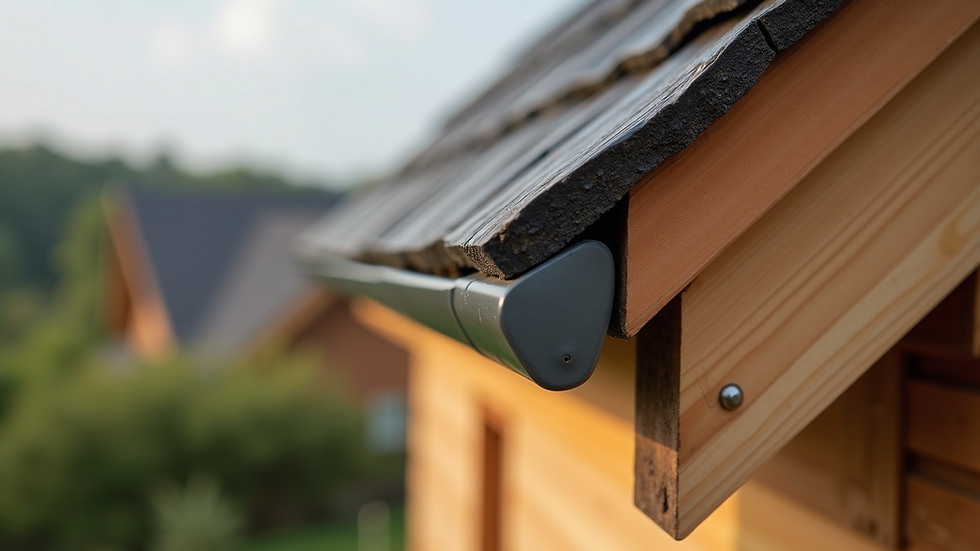
What Does a Fascia Board Do?
You might wonder why fascia boards are so important beyond just looking nice. Here’s what they do:
Protect the Roof and Walls: Fascia boards shield the ends of your roof rafters from rain, wind, and pests. Without them, water can seep into the wood, causing rot and structural damage.
Improve Aesthetics: Fascia boards give your roofline a clean, finished appearance, boosting your home’s curb appeal.
Ventilation: In some cases, fascia boards work with soffits to allow airflow into the roof space, preventing damp and mould.
Understanding these functions helps you appreciate why choosing the right fascia board is essential for both protection and style.

How to Choose the Right Fascia Board for Your Project
Picking the right fascia board depends on several factors. Here’s a simple checklist to guide your decision:
Budget: Timber is usually the most affordable upfront, but UPVC and composite boards save money over time with less maintenance.
Maintenance: If you prefer a low-maintenance option, UPVC or aluminium are excellent choices.
Appearance: Timber offers a natural look, while UPVC and composite can mimic wood or come in different colours.
Durability: Consider your local climate. Fibre cement and aluminium perform well in harsh weather.
Installation: Some materials require specialist tools or skills. Timber and UPVC are generally easier for DIYers.
Environmental Impact: Composite boards often use recycled materials, making them a greener option.
If you want to explore a wide range of quality options, fascia boards from trusted suppliers can offer exactly what you need, whether you’re a DIY enthusiast or a trade professional.
Tips for Installing and Maintaining Fascia Boards
Once you’ve chosen your fascia board, proper installation and upkeep will ensure it lasts for years. Here are some practical tips:
Measure Twice, Cut Once: Accurate measurements prevent waste and ensure a snug fit.
Use Appropriate Fixings: Stainless steel or galvanised nails resist rust and hold boards securely.
Seal and Paint Timber Boards: Protect timber fascia with a good quality primer and paint or stain.
Clean Gutters Regularly: Blocked gutters can cause water to overflow and damage fascia boards.
Inspect Annually: Look for signs of rot, cracks, or warping and address issues promptly.
Ventilate Roof Space: Ensure soffits and vents work well to prevent moisture buildup.
Taking these steps will keep your fascia boards looking great and performing their protective role effectively.

Making Your Fascia Board Choice with Confidence
Choosing the right fascia board is more than just picking a material - it’s about protecting your home and enhancing its look. Whether you lean towards the traditional charm of timber or the hassle-free durability of UPVC, understanding your options helps you make a smart, lasting choice.
Remember, quality materials and proper installation go hand in hand. If you want to browse a reliable selection of fascia boards and other building plastics, check out The Plastics Shed. They make it easy to find durable, maintenance-free products at fair prices, perfect for your next project.
So, roll up your sleeves and get ready to give your home that polished finish it deserves!


Comments