


.png)
.png)

Envirotile Lightweight Roof Tiles – BBA Certified Plastic Roofing
Envirotile is a UK-made polypropylene roof tile containing 75% reliably sourced recycled plastic. It fixes mechanically — no cement, no mortar, no waiting on the weather — and it carries BBA Agrément Certificate 15/5215
.
The tiles weigh 645g each and go on at 7.8kg per square metre against around 50kg for cement or natural slate. Allowing for battens, the BBA puts the full weight of tiling at 8.45kg per square metre at 280mm gauge.
That weight is the whole point. On a garage, extension, garden room or porch the roof structure often will not take concrete without strengthening. Envirotile goes on the timbers you already have. It is also the answer on a re-roof where the rafters have seen better days, and on anything you are carrying up a ladder yourself — a pack of ten weighs 6.45kg.
Two finishes — smooth standard or riven slate. Match your ridge, hip and gable caps to whichever tile you choose
Envirotile Standard Range


Envirotile Slate Range


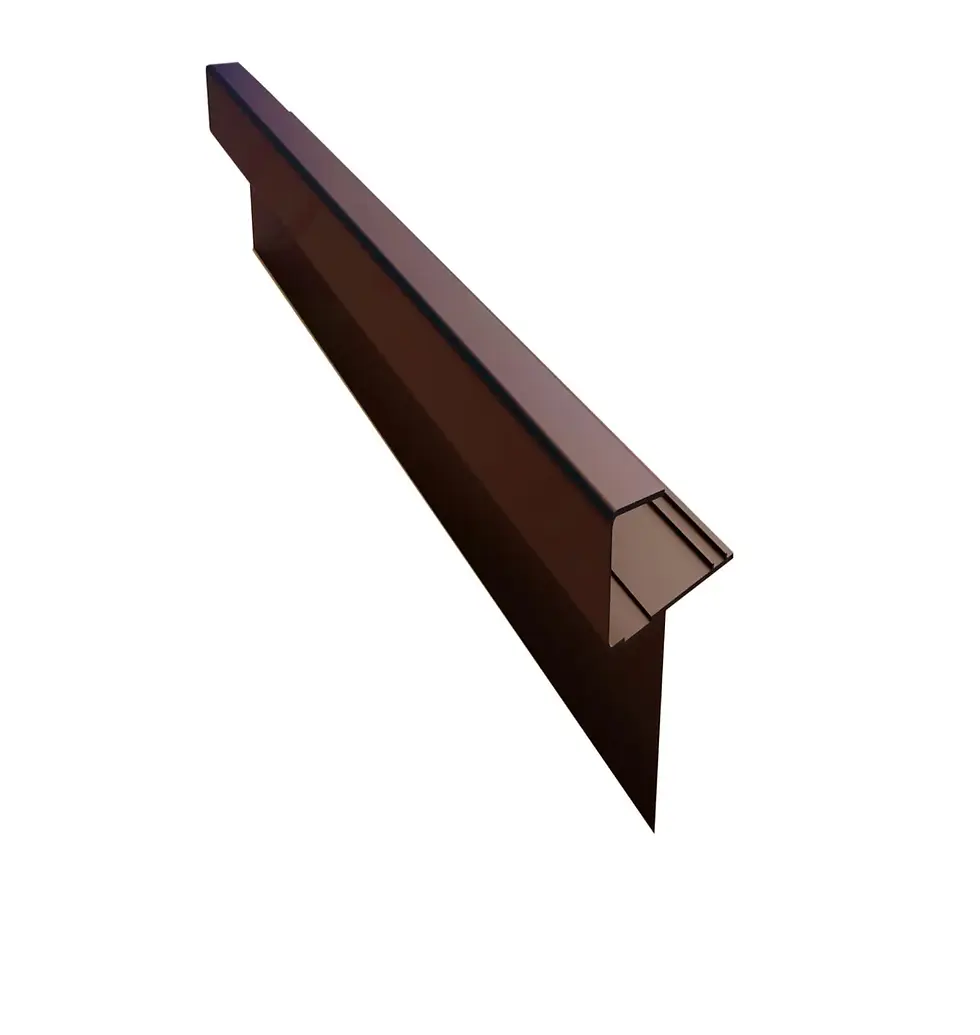
Accessories - Fits Both Ranges






Two profiles
Envirotile comes in two faces and they are not interchangeable.
-
Standard has a smooth face — the one for a modern extension, garage or outbuilding.
-
Slate has a riven texture moulded in. On a house with a natural slate roof it lets an extension sit alongside the original without anyone squinting at it. The texture doubles as grip: the installation guide notes the slate finish "also provides non slip assistance with foothold".
Use the matching accessories. The slate ridge, hip and gable caps are shaped to the slate face; the standard ones to the standard face.
Sizes
Tile | Size | What it's for |
|---|---|---|
Single | 365 x 325mm | The main tile - used across the whole roof |
Double | 365 x 630mm | Covers the same as two singles. Fewer pieces and fewer fixings across open areas |
Half | 365 x 175mm | Closes the half bond at the verge. Slate range only |
Cover width is 300mm. The roof is laid to a half bond — every other course starts with a half tile at the verge, the same as a double lap slate roof. You can cut one on site or buy the half tile; buying saves the cutting and the waste.
Colours
Four colours:
-
Slate Grey,
-
Brown,
-
Terracotta a
-
Anthracite Black.
Colour runs through the tile rather than sitting on the surface. After natural weathering some slight change in colour may occur, but the BBA notes the process is not progressive — it settles rather than carrying on fading.
Two things worth knowing. Slight colour variation can exist between batches, so randomise tiles from different packs as you lay rather than working pack by pack. And the material is non-porous, so it resists mould, moss and fungus — no pressure washing every couple of years.
Coverage and Gauge
280mm and 265mm gauges are for pitches of 22.5° and above. 250mm gauge is the low-pitch setting, 12.5° to 22.5°.
At 280mm gauge you need 11.9 tiles per square metre. At 265mm it is 12.6, and at 250mm around 13.3 to 13.4. Doubles work out at roughly 5.9 per square metre at 280mm gauge.
Order 5 to 10 per cent over. Cuts, breakages and the one you drop off the scaffold all come out of the same pile, and it is the top-up order for a dozen tiles that costs you a day.
One saving worth knowing about: the patented design means no extra tiles are needed for the top and bottom eaves courses, which a conventional tile would require.
Pitch & Fixings
Minimum pitch 12.5°, up to 90° vertical. Every tile is fixed — nothing is left loose.
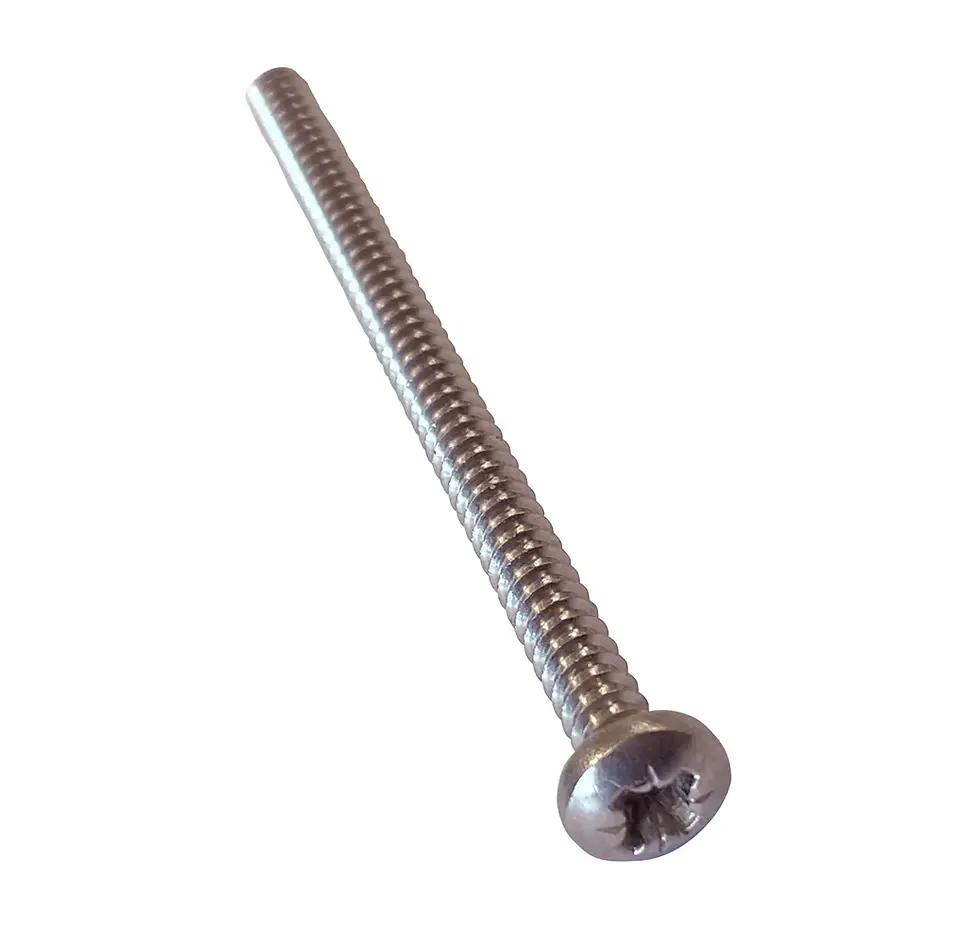
Below 30° the tiles must be screw fixed, using 30 x 4mm countersunk stainless steel screws. At 30° and above they can be nailed with 30 x 3.35mm stainless steel annular ring shank nails.
Battens are 38 x 25mm at 450mm rafter centres, or 50 x 25mm at 600mm centres, fixed with 65 x 3.35mm nails to BS 5534. Leave a 5mm expansion gap between tiles — there is a moulded guide line on the tile for it. The tiles interlock in eight places.
Do not fit below 4°C.
Wind
Envirotile is manufactured for UK wind loads and has been weather tested to 147mph.
The performance comes from how it is held down. Every tile is mechanically fixed, and each one interlocks with its neighbours in eight places — so a gust is working against the whole roof covering rather than against one tile at a time. Nothing relies on a bed of mortar to stay put.
Testing at the BRE facility found the Envirotile covering gives increased performance against wind uplift compared with conventional roof tiles and slates fixed with standard clips, and that it holds that performance down to the minimum 12.5° pitch. The BBA certificate confirms the tiles resist the wind uplift likely to be encountered in the UK.
Envirotile back that up with their 8 Fix performance guarantee — a free replacement service for any tiles dislodged by gale force winds up to 65mph, subject to their terms. That sits on top of the standard 25-year product guarantee, and it is not something you will find offered on a concrete tile.
Ventilation
Ventilation is to BS 5250:2016, and the requirement changes with pitch.
On roof pitches above 15° you need 10,000mm² of airflow per metre run. Below 15° that rises to 25,000mm² per metre run.
Fire & Certification
BBA Agrément Certificate 15/5215, first issued 2015 and reissued 2018.
Tested to BS 476-3:2004 with an EXT S.AA designation. A roof incorporating the tiles is designated AA and is unrestricted under Building Regulations.
Complies with BS 5534:2014 and BS 8000-6, and has passed the DD CEN/TS 15087 external fire exposure roof test. It satisfies NHBC Standards chapter 7.2, Pitched roofs.
The BBA puts the expected service life in excess of 20 years. Eurocell give a 25-year guarantee.
Frequently Asked Questions
Will Envirotile go on my existing roof timbers? Usually, yes. The tiles weigh 7.
8kg per square metre against around 50kg for cement or natural slate. The BBA figure including battens is 8.45kg per square metre at 280mm gauge, which is what a builder will want if he is checking the rafters. On an older roof, get someone to look at it first.
What is the minimum pitch?
12.5 degrees, and it will go all the way up to vertical. Below 30 degrees the tiles must be screw fixed with stainless steel screws rather than nailed. At 12.5 to 22.5 degrees you also drop to a 250mm gauge.
Do I need the slate accessories or the standard ones?
Match them to the tile. The slate ridge cap, hip cap, hip end cap, gable end cap and ridge-to-apex cover are shaped to the slate face; the standard ones to the standard face.
How many Envirotiles per square metre?
11.9 at 280mm gauge, 12.6 at 265mm and around 13.3 to 13.4 at 250mm. Doubles are around 5.9 per square metre at 280mm gauge. Add 5 to 10 per cent for wastage.
Do I need half tiles?
The roof is laid to a half bond, so every other course starts with a half tile at the verge. You can cut one from a full tile or buy the half tile ready made.
Does Envirotile need mortar?
No. Envirotile is fully mechanically dry fixed. Nothing to mix and nothing waiting on the weather.
How do I cut Envirotile?
A medium-toothed handsaw. No dust is emitted, unlike cutting concrete or natural slate. Use a chalk line for straight edges at valleys, hips and gables, and clean the tile after cutting to avoid staining.
Does Envirotile go green with moss?
The polymer is non-porous, so it resists mould, moss and fungus far better than a porous concrete or clay tile.
How long does Envirotile last?
Manufacturer gives a 25-year guarantee and the BBA certificate puts the expected service life in excess of 20 years. Some slight colour change may occur with weathering, but the BBA notes it is not progressive.
Can I fit Envirotile in winter?
Not below 4 degrees Celsius. Store the pallets flat, dry and above freezing.